How Extreme Heat Affects Pressure Cleaning Solutions in 2026
Extreme heat changes how pressure cleaning works across Western Sydney. In suburbs such as Penrith, Blacktown and Parramatta, sun-exposed concrete, paving and metal can become considerably hotter than the surrounding air. These conditions affect cleaning chemicals, equipment, surface finishes and worker safety.
For homeowners and property managers arranging pressure cleaning in Western Sydney in 2026, the safest approach is to adjust the timing and method to actual site conditions rather than simply increasing water pressure.
How Heat Changes Cleaning Chemical Performance
Hot surfaces cause water-based cleaning solutions to evaporate faster. This shortens their effective dwell time: the period a product needs to remain wet on a surface to loosen dirt, grease or organic growth. If detergent dries before rinsing, it can leave residue, streaking or uneven results.
Higher temperatures can also accelerate some chemical reactions and increase vapour exposure. Chlorine-based products, including sodium hypochlorite, deteriorate faster when stored in heat or direct sunlight. Product age, concentration and storage conditions therefore matter.
Do not compensate for rapid drying by automatically using a stronger mixture. Follow the product label and safety data sheet, including dilution, surface compatibility, protective equipment and temperature guidance. Never mix chlorine-based cleaners with acids or ammonia.

Why Hot Surfaces Need a Different Cleaning Method
Concrete and Pavers
Concrete and paving can dry unevenly during hot weather, making overlapping passes and controlled rinsing especially important. Where the cleaning product permits it, pre-wetting can help manage surface temperature and absorption. However, pre-wetting does not make an excessively hot surface safe to clean.
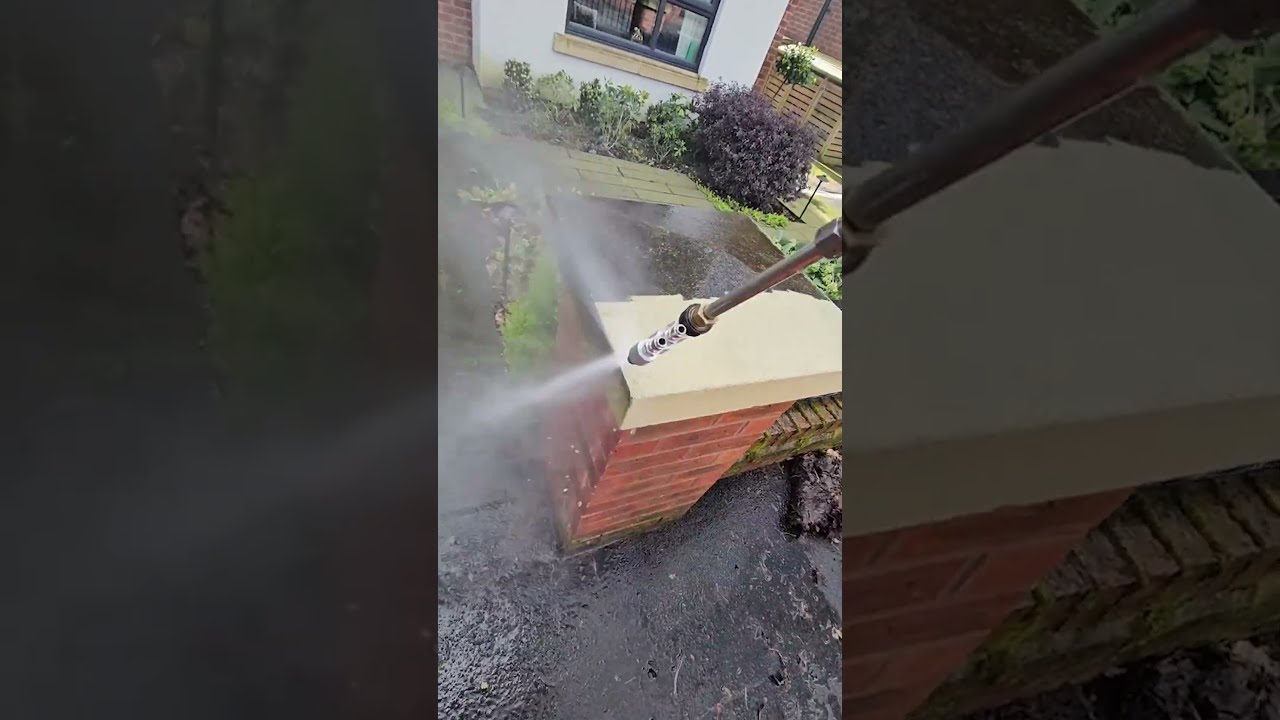
Use a suitable surface cleaner and pressure appropriate to the material. Excessive pressure can etch concrete or remove jointing sand, regardless of the weather.

Painted, Sealed and Delicate Surfaces
Painted walls, sealed driveways, timber and composite decking require particular care. Heat, chemical exposure and excessive pressure can combine to damage finishes. Check the coating manufacturer's instructions and test an inconspicuous area before proceeding. Soft washing may be more appropriate for some surfaces, but its chemicals still require careful temperature and dwell-time management.
Practical Steps for Cleaning During Western Sydney Heat
- Choose a cooler window: Schedule work when surfaces are shaded and temperatures are lower, while observing applicable noise restrictions.
- Check the surface: An infrared thermometer helps assess conditions. Follow product and equipment limits rather than relying on a universal temperature cutoff.
- Clean smaller sections: Apply, allow the specified dwell time and rinse before the solution dries.
- Protect nearby plants: Prevent chemical contact and manage overspray and runoff. Follow label directions for protecting vegetation.
- Pause when necessary: Reschedule if heat, wind or surface conditions prevent safe application and rinsing.
Equipment and Worker Safety in Extreme Heat
Pressure washers need adequate ventilation and a reliable water supply. Follow the manufacturer's limits for ambient conditions and inlet-water temperature. Avoid leaving the pump operating without trigger flow beyond its specified bypass allowance, as recirculating water can overheat.
Petrol-powered equipment must operate outdoors, away from openings where exhaust could enter buildings. Workers also need drinking water, shaded breaks and a heat-risk assessment that considers humidity, workload and protective clothing. Dizziness, headache, nausea or unusual fatigue are reasons to stop work and seek appropriate assistance. Suspected heatstroke is a medical emergency: call 000.
https://pressurecleaningwesternsydney.com.auWater Use and Runoff Responsibilities in 2026
Before booking, check current Sydney Water requirements and any restrictions applying to the property. Water-use rules can change, and permitted cleaning methods may depend on the task and prevailing conditions.
Cleaning wastewater can contain detergents, sediment, oil and other pollutants. It should not be allowed to enter stormwater drains. A contractor should assess drainage, contain runoff and arrange appropriate collection or disposal where required. Local council and relevant water authority requirements should guide the plan.
Choosing a Heat-Aware Pressure Cleaning Service
Ask your Western Sydney cleaning provider how they assess surface temperature, prevent chemicals drying, protect finishes and manage wastewater. A reliable service explains when conditions require a different method or a postponed appointment. In extreme heat, careful planning delivers better results than stronger chemicals or higher pressure.
Western Sydney Pressure Cleaning
Unit 2/1 Cowpasture Pl, Wetherill Park NSW 2164
(02) 9000 1596